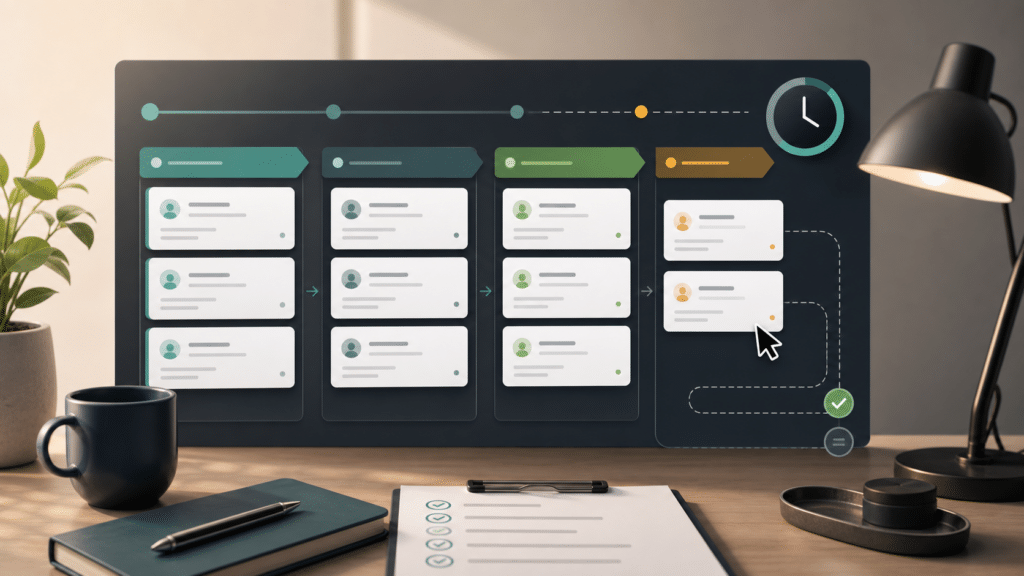
Most maintenance plans protect the site. The sharper offer protects the work that comes through the site. A form can be online, secure, and updated while the best inquiry of the week still sits unread in an inbox.
That is the opening for AI form review. Not “we added AI.” Not “your form builder now has a new feature.” The client-facing promise is simpler: the queue gets reviewed, the important submissions are easier to spot, and the next human step is clearer.
Sell the reviewed queue
Clients do not usually ask for form automation by name. They ask why nobody replied, why the wrong person received the quote request, or why a vague inquiry turned into three extra emails. A maintenance plan can answer those questions if it includes form review as a recurring deliverable.
The agency still owns the work: choose the form, pick one review job, check the first results, and report what changed. Sentient Forms provides the review layer through the action library, but the service the client buys is operational attention.
The monthly value is not AI access. It is fewer blind spots in the form queue.
Start with one form and one promise
The easiest package to sell is the one a client can repeat back. Start with a priority form and one clear promise.
| Client pain | First review job | Useful Sentient Forms action | Monthly report line |
|---|---|---|---|
| Staff reads long inquiries slowly | Summarize each important submission | Entry Summary | “Your team can scan the request before opening every field.” |
| Good leads wait behind weak ones | Flag likely priority leads | Lead Scoring | “These submissions needed first attention this month.” |
| Messages land with the wrong owner | Suggest the next queue or assignee | Routing Recommendation | “These requests need sales, support, billing, or an owner review.” |
| Quote requests arrive incomplete | Identify missing details before estimating | Missing Information Review | “These requests needed a follow-up question before quoting.” |
That is enough for a first package. More actions can come later. Starting narrow makes the output easier to check and easier to explain on a client call.
Make the monthly report useful
A good report should be short enough to read before a client meeting. It should show what happened, what the review found, and what the agency recommends next.
- Form reviewed: name the form and why it matters.
- Volume reviewed: count the submissions that ran through the action.
- Useful patterns: common reasons entries needed attention.
- Examples: one or two sanitized examples of better triage.
- Recommendation: keep, adjust, add a second action, or leave a step manual.
This turns the add-on into a management rhythm. The agency is not hiding behind a model. It is showing the client what the queue is doing and what should change next month.
Price around attention, not technical usage
Avoid selling tokens, models, or settings. That invites the client to compare a service package with a software bill. Price the work around setup, monitoring, QA, reporting, and ongoing improvement.
If the client already pays for a maintenance plan, the add-on can sit beside uptime, updates, backups, and security checks. The difference is that this deliverable is closer to revenue. It deals with the submissions that might become booked jobs, sales calls, support saves, or cleaner estimates.
Keep setup details out of the main promise
The support boundary still matters. Confirm the current site setup before promising implementation-level behavior. But do not make that the headline. Public copy should lead with the workflow outcome, then point technical buyers to the Sentient Forms WordPress.org listing and the site-specific setup review.
That framing is safer and stronger. It gives the client a result they understand without freezing the article around form-source gaps the product is actively closing.
A first-month rollout plan
- Week 1: choose one priority form and one action.
- Week 2: run the first submissions and compare the output with staff judgment.
- Week 3: adjust the action instructions and record useful examples.
- Week 4: send the monthly form review report with one recommendation.
That plan also protects the agency. If the first action does not help, the report can say so and recommend a better workflow. If it does help, the next add-on is obvious: add a second action or expand to the next form.
For more measurement detail, pair this service package with the AI form review ROI scorecard. If the client already suspects missed opportunities, start with the form queue leak audit first.
Yes. The practical package is setup, review, QA, and a short monthly report for one priority form.
Sell one reviewed queue: summaries, lead priority, routing, or missing-detail review. Avoid bundling every action into the first month.
Yes, but as a setup caveat. Lead with the business workflow, then confirm exact site behavior before promising implementation-specific features.