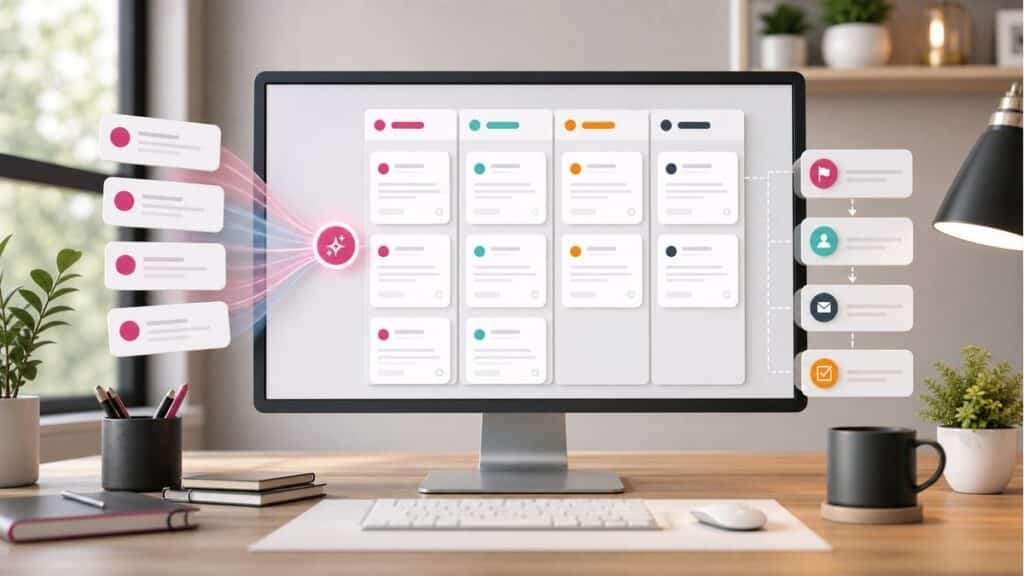
A call for speakers can attract strong ideas and still leave the program team with a messy review queue. One person submits a polished abstract with no audience takeaway. Another has useful experience but buries the session format in a long biography. Reviewers spend their meeting reconstructing the proposals instead of comparing them.
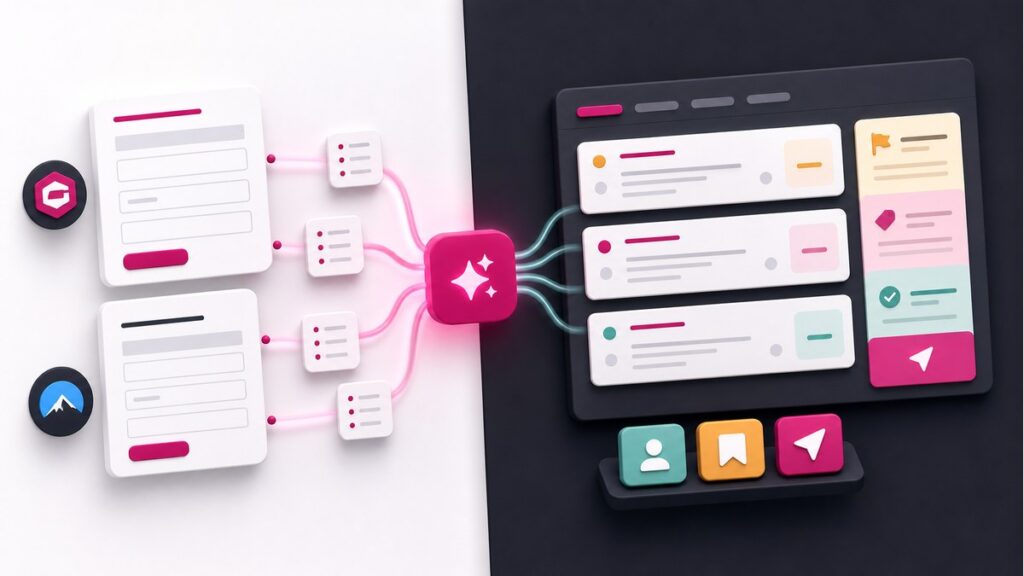
A WordPress speaker proposal form can prepare a consistent first review without letting software choose the program. The form collects comparable facts. AI actions can summarize, flag missing details, and suggest a track. People still judge fit, evidence, balance, conflicts, and the final invitation.
Define the program decision
Start with the next decision, not the final acceptance. A useful first review may ask:
- Is the proposal complete enough for a track reviewer?
- Which topic or audience track should review it first?
- Does the abstract describe a specific problem and takeaway?
- Which claims or examples need more evidence?
- What question should the organizer ask next?
Do not ask an AI action to accept, reject, rank, or book speakers. Those decisions depend on the event’s goals, human judgment, conflicts, program balance, accessibility needs, and information that may not belong in a model prompt.
Collect comparable proposal facts
A long free-text pitch makes every reviewer invent a different way to read it. Ask for a small set of facts that match the program decision:
- working session title;
- problem or question the session addresses;
- intended audience and assumed knowledge;
- two or three concrete takeaways;
- proposed format and duration;
- examples, evidence, or demonstrations the speaker plans to use;
- prior delivery or subject experience when it is relevant;
- known commercial, employer, or product interests related to the topic.
Use clear instructions and examples beside fields that are easy to misunderstand. The W3C form-instruction guidance recommends stating the purpose and expected format of an input, including whether it is required.
Separate the idea from the polish
A smooth abstract is not automatically a useful session. A rough submission is not automatically a weak idea. Review the proposal against the same program questions instead of treating writing style, employer, job title, or prior speaking visibility as a shortcut for quality.
Ask for claims that can be checked. “Attendees will learn three ways to diagnose a slow checkout” is easier to review than “This session will transform e-commerce.” Keep marketing language out of the rubric unless the event is explicitly reviewing a promotional session.
A consistent brief should make proposals easier to compare. It should not make different speakers sound the same.
Build a checkable proposal brief
An Entry Summary can put each proposal into a predictable order while preserving the original submission:
- Topic: the problem or question;
- Audience: who the session is for and what they already need to know;
- Takeaways: what attendees should be able to use afterward;
- Format: talk, workshop, panel, interview, or another defined format;
- Support: examples, data, demonstrations, or experience named in the proposal;
- Interests: relevant employer, product, client, or commercial connections disclosed by the submitter;
- Unknowns: gaps or contradictions that need a person.
Do not ask the summary to invent takeaways or proof. If the proposal does not name them, the brief should say so. Reviewers should be able to return to the original wording before they score or discuss the session.
Use a narrow content rubric
A Content Quality Validation can check whether the abstract answers a few program questions. Keep the rubric observable:
- Does it name a specific problem or question?
- Is the intended audience clear?
- Are the takeaways concrete?
- Does the proposed format fit the promised activity?
- Are important claims tied to examples, evidence, or experience?
Do not use vague criteria such as “thought leadership,” “stage presence,” or “industry importance.” They are hard to apply consistently and can turn a screening aid into a prestige filter.
Flag gaps before the review meeting
A Missing Information Review can name the facts that prevent a responsible first review:
- no audience or assumed knowledge;
- no clear attendee takeaway;
- a workshop proposal without an activity;
- a claim with no described example or support;
- an unclear commercial connection;
- a duration or format that does not match the event.
Not every missing optional field deserves a flag. Tie the checklist to the event’s published requirements. Require a short reason beside each gap so the program team can reject a weak suggestion.
Route by topic, not prestige
A Routing Recommendation can suggest the first track or subject reviewer from the proposal’s topic, audience, format, and level. It should not route from employer size, follower count, job title, name, photo, or protected personal traits.
Let the program team define the track vocabulary. If a proposal spans several tracks, label the uncertainty instead of forcing a single answer. The first routing decision should help the right person read the proposal, not quietly decide its fate.
Limit personal data in the review
Speaker forms may collect names, contact details, biographies, employer information, accessibility requests, travel details, or profile links. Do not send every field to an AI provider by default.
- Map only the fields needed for the summary, gap check, or track recommendation.
- Keep accessibility and travel coordination out of content scoring.
- Do not infer identity, demographics, reputation, or eligibility.
- State how proposal data and AI processing are used in the site’s notices.
The official WordPress privacy guide is a starting point for reviewing what the site collects and shares. It does not replace advice that applies to the event or jurisdiction.
Test the review packet
Use synthetic proposals that test different failure modes:
- a clear idea with a rough abstract;
- a polished abstract with no concrete takeaway;
- a workshop that does not describe an activity;
- a proposal that fits two tracks;
- a product-related session with a disclosed commercial interest;
- a submission that includes personal data irrelevant to the content review.
Write the expected brief, gaps, and first track before running the actions. Compare the result with the original proposal. If the workflow rewards polished language over a specific idea, revise the rubric instead of adding a longer prompt.
Measure review consistency
Track work the process changes:
- proposals returned for a decision-blocking gap;
- minutes reviewers spend preparing before the meeting;
- track assignments changed after human review;
- brief corrections made after checking the original proposal;
- rubric disagreements that need a program-policy decision;
- follow-up messages needed before a proposal is reviewable.
The goal is a fairer, faster preparation step. It is not a model-generated speaker lineup.
Start with one track
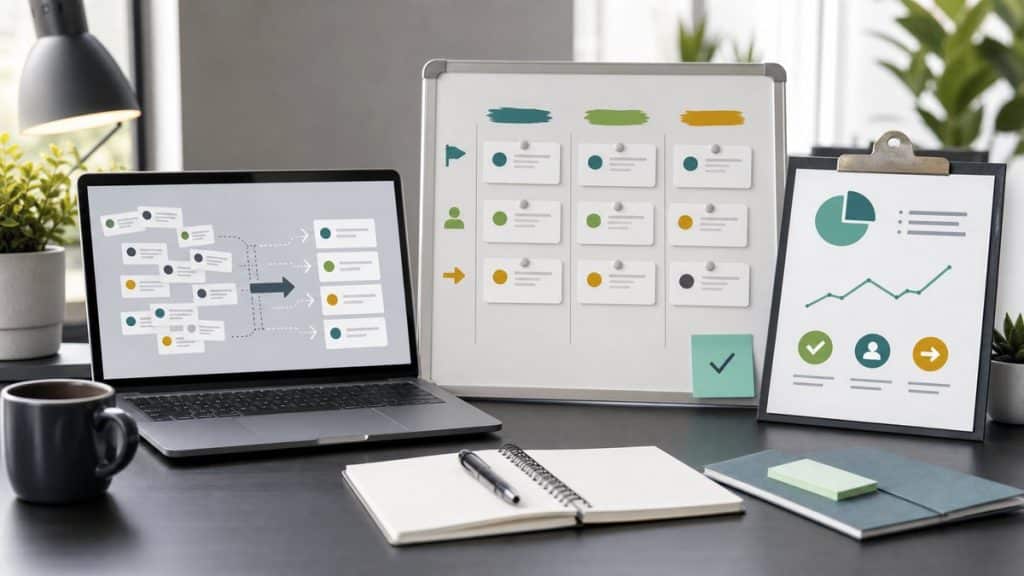
Choose one track with a clear audience and submission rubric. Build the form around its first review, test summaries and gap flags with known examples, and let the track reviewers correct the packet. Expand only after the team agrees the brief saves preparation time without hiding the speaker’s original idea.
Collect the topic, intended audience, attendee takeaways, proposed format and duration, examples or evidence, relevant experience, and disclosed interests. Ask only for personal data the event needs and keep accessibility or travel details out of content scoring.
No. AI can prepare a summary, flag missing details, and suggest a first track. People should review the original proposal and decide program fit, evidence, conflicts, balance, accessibility, and invitations.
Use the same observable questions for every proposal: problem, audience, takeaways, format, support, and disclosed interests. Preserve the original submission, separate writing polish from idea quality, and require human review of every score or routing suggestion.