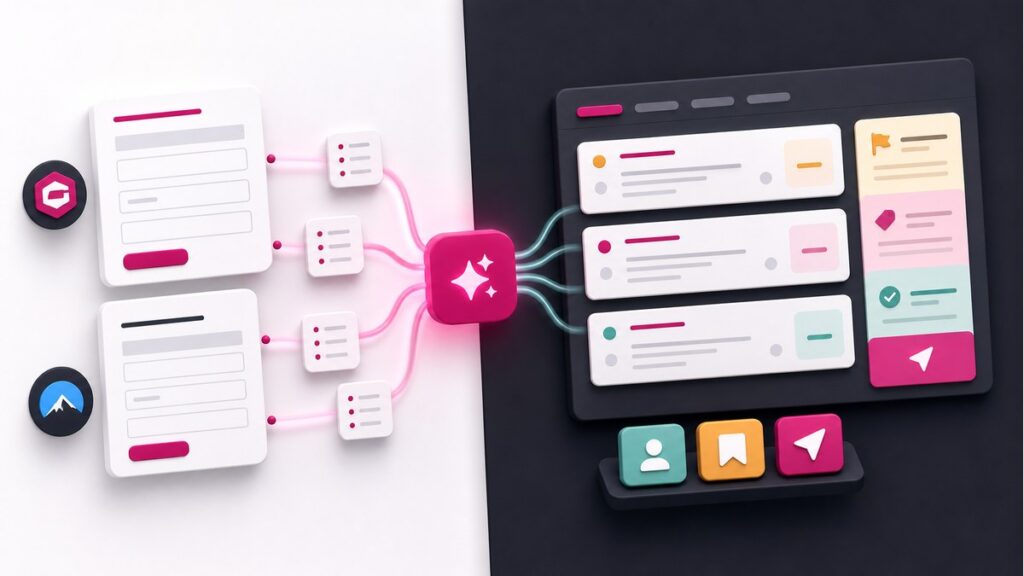
A partnership inquiry can sound promising and still be hard to review. One message proposes a referral arrangement without naming the audience. Another asks for a co-marketing campaign but gives no launch date. A third uses “partnership” to mean sponsorship, resale, integration, affiliate work, or a sales introduction.
A WordPress partnership inquiry form should prepare a decision-ready first brief before leadership time is booked. It can clarify the opportunity, flag missing business facts, and suggest the right owner. It should not accept terms, estimate legal fit, promise exclusivity, or decide whether the relationship is worth pursuing.
Define what partnership means
Start with the relationship types your organization will actually consider. The list might include:
- referral or affiliate arrangements;
- reseller or channel relationships;
- co-marketing, content, or event work;
- product or service integrations;
- strategic introductions;
- community or nonprofit collaborations;
- another request that needs general review.
Keep sponsorship, procurement, press, and ordinary sales requests separate when they have different owners. A broad “Tell us your idea” field pushes that sorting work onto the busiest person.
Collect comparable business facts
Ask for facts that help a reviewer compare opportunities without demanding a pitch deck:
- organization name, website, and safe contact details;
- partnership type;
- the audience or customer group involved;
- the problem or opportunity the proposal addresses;
- what each side would be expected to contribute;
- the proposed timing and any fixed deadline;
- the next step the sender is requesting;
- links to public supporting material when useful.
Do not ask for confidential customer lists, unreleased financials, private contracts, passwords, secret keys, or sensitive deal terms in the first form. A qualified reviewer can request restricted material through an approved channel later.
Separate claimed value from verified fit
The sender controls the proposal. Your team controls verification and the decision. Keep these layers distinct:
- Claim: “Our community reaches 40,000 independent retailers.”
- Proposal: a joint educational series with shared promotion.
- Verification: your team checks audience evidence, brand fit, conflicts, effort, and terms.
An AI-generated brief may repeat the claim with attribution. It should not present the audience size, authority, exclusivity, or expected return as verified fact.
A useful brief gets the right reviewer to a clear first decision. It does not negotiate the partnership.
Build a partnership review brief
An Entry Summary can put every inquiry into a stable order:
- Organization: name, website, and contact;
- Relationship type: referral, reseller, co-marketing, integration, or another defined option;
- Audience: who the proposal is meant to serve;
- Proposed exchange: what each side would contribute;
- Requested next step: introduction, call, review, technical discussion, or written response;
- Timing: target date and any fixed dependency;
- Claims to verify: audience, authority, rights, references, or expected reach;
- Suggested first owner: one real team plus a general partnership fallback.
Keep the original inquiry available beside the brief. A summary should not remove conditions, upgrade interest into commitment, or turn “open to discussing” into “ready to launch.”
Identify the real intent
A Pain Point and Intent action can help distinguish a concrete collaboration from a generic request for exposure. Ask it to identify the stated problem, proposed exchange, audience, and requested next step.
Keep uncertainty visible. “Possible integration discussion” is honest when the sender names a product connection but no technical scope. “Integration partner” would imply a relationship that does not exist.
Flag gaps that block the first decision
A Missing Information Review should check only for details the first owner needs:
- the relationship type is unclear;
- the audience or customer problem is not named;
- one side’s expected contribution is missing;
- the requested next step is vague;
- a fixed date appears without the dependency behind it;
- the sender claims authority to represent another organization but gives no public reference.
Do not demand revenue, budget, audience size, or legal documents when those facts do not change the first review. A shorter form with a useful follow-up path is better than an intake process that asks every possible diligence question at once.
Score for review, not automatic acceptance
A Lead Scoring action can help order a partnership queue when the rubric uses observable proposal facts. A narrow review score might consider:
- whether the partnership type is one you support;
- whether the audience and problem are clear;
- whether the proposed exchange is specific;
- whether timing is realistic enough for a first conversation;
- whether the requested next step matches the available team.
Do not score from the sender’s name, nationality, writing style, neighborhood, organization prestige, or an AI guess about influence. Require a reason beside every grade. The score should help staff decide what to review first, not approve or reject the relationship.
Route to the smallest correct group
A Routing Recommendation can suggest a destination from a closed list: channel partnerships, marketing, product integrations, community, leadership review, sales, or general partnerships.
Do not send every inquiry to leadership because the sender used the word “strategic.” Route by the proposed work and requested next step. A co-written guide belongs with marketing before the executive team. A product integration may need product review before a commercial conversation.
Protect confidential information
Partnership inquiries can include customer names, financial claims, roadmaps, pricing, contracts, and unpublished campaign details. The first form rarely needs all of that. Ask for public links and a plain-language proposal, then move sensitive diligence into a restricted process.
The WordPress privacy guide can help site owners frame collection, export, and erasure questions. Use the field-selection approach in Do not send every WordPress form field to AI before deciding what an action may review.
Test proposals that look better than they are
Use synthetic inquiries that expose weak rules:
- a specific referral proposal with a clear audience and next step;
- a polished message with no proposed exchange;
- a strong opportunity written in plain, imperfect language;
- a sponsorship request mislabeled as a partnership;
- an integration idea with no technical scope;
- a proposal that claims a large audience without a public reference;
- an inquiry containing confidential data that should not continue through the general workflow.
Write the expected summary, missing facts, score reason, and first owner before testing. Compare each output with the original inquiry. If the automation rewards polish over substance or turns a claim into a fact, revise the rubric.
Measure the first decision
Track the work the intake path is meant to improve:
- time from inquiry to a named first owner;
- messages returned for one missing partnership fact;
- inquiries moved because the first route was wrong;
- briefs corrected before leadership or legal review;
- calls booked before the requested exchange was clear;
- proposals that belonged in sales, sponsorship, procurement, or press instead.
The goal is not to reject more people. It is to spend review time on a clear proposal, give misrouted inquiries a useful next step, and keep leadership out of first-pass sorting.
Start with one partnership type
Choose one relationship type with a named owner and a simple first-decision rubric. Build the form, brief, and routing list around that path. Let the owner correct the output before adding integrations, channel deals, events, or other branches.
Sentient Forms can help clarify intent, prepare the brief, flag missing facts, and suggest a first owner while people keep control of diligence, terms, negotiation, approval, and the relationship itself.
Collect the organization and contact, partnership type, intended audience, problem or opportunity, proposed contribution from each side, timing, requested next step, and useful public references. Keep confidential diligence out of the first general form.
It should not. AI can clarify the proposal, prepare a brief, flag missing facts, score against a review rubric, and suggest a first owner. Diligence, terms, legal fit, negotiation, exclusivity, and approval require authorized human review.
Use defined relationship types, collect comparable proposal facts, prepare a consistent brief, flag only decision-blocking gaps, and route the inquiry to a valid first owner. Leadership can review the strongest opportunities after the basic sorting and verification questions are clear.