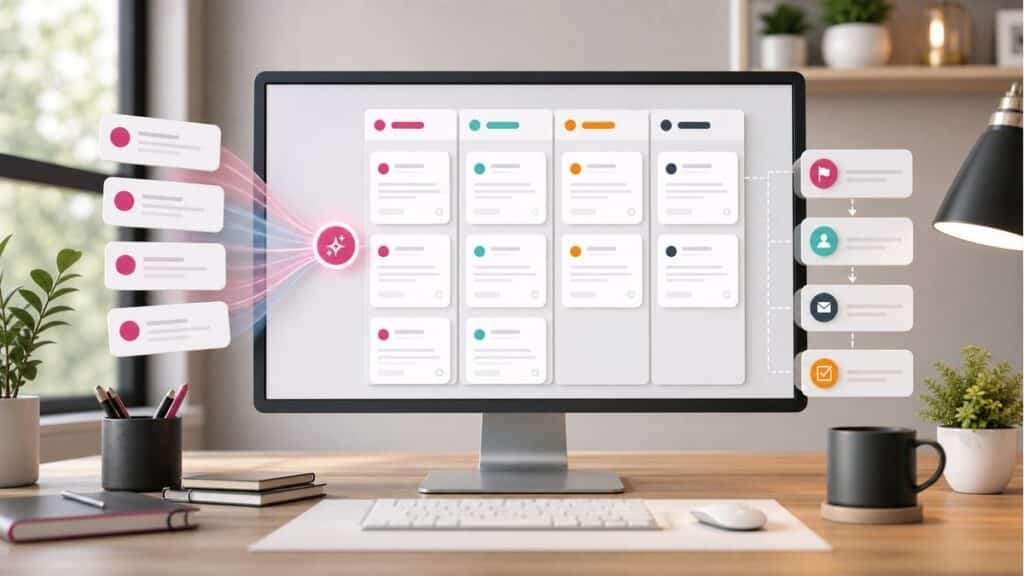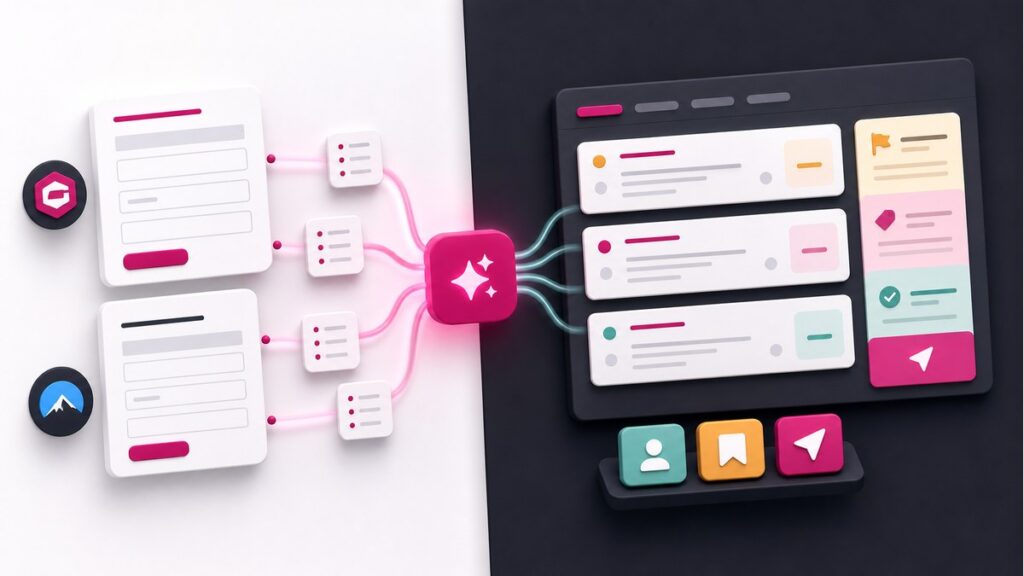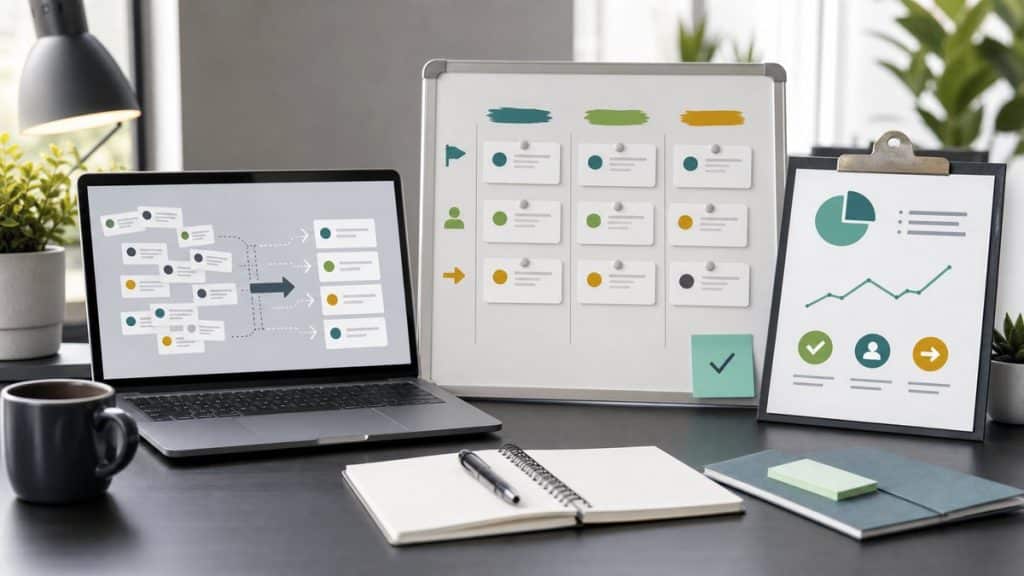
Event feedback is easy to collect and surprisingly hard to use. One form can contain a room-temperature complaint, praise for a speaker, an accessibility barrier, a refund request, and a useful idea for next year. When every response lands in one spreadsheet, the urgent item and the recurring pattern can both disappear.
A WordPress event feedback form should prepare the next human decision. It can organize observations, reported impact, suggested changes, and follow-up requests. It should not turn sentiment into a verdict, hide an unusual response inside a theme count, or promise that an organizer will make a change.
Decide what feedback should trigger
Before adding automation, define the possible next steps:
- service recovery for a current attendee;
- safety, conduct, privacy, or accessibility review;
- a speaker, venue, catering, registration, or production follow-up;
- a future-program improvement item;
- praise to share with the team;
- general feedback that needs no individual response.
Each path needs a named owner and a boundary. Automation can prepare the handoff. People still decide priority, investigate the record, contact the attendee, and approve any remedy or program change.
Collect the moment, not just the rating
A rating shows direction. It rarely tells an organizer what to do. Pair it with a few fields that locate the experience:
- event, date, venue, track, or session;
- the part of the experience they are describing;
- what they observed;
- how it affected their participation or outcome;
- what they would keep or change;
- whether they want a reply;
- a safe contact method when follow-up is requested.
Let people leave general feedback without identifying themselves when the workflow allows it. Do not make demographic, health, disability, or payment details mandatory for a broad post-event survey unless a specific, documented process truly needs them.
Separate observation, impact, and suggestion
- Observation: the attendee says the caption display stopped during the second session.
- Reported impact: they missed part of the discussion.
- Suggestion: add a backup display and confirm captions before each session.
All three belong in the brief, but they are not the same kind of fact. Preserve attribution until an organizer checks the event record. “Captions failed” may be the attendee’s accurate report, yet the operational review still needs the session, time, system, and response taken.
Theme counts show repetition. Individual reports show consequences. A useful queue keeps both.
Build a feedback review brief
An Entry Summary can put each response into a consistent order:
- Event context: event, date, venue, track, session, or service area;
- Feedback type: praise, problem, suggestion, question, or follow-up request;
- Observation: what the attendee says happened;
- Reported impact: what changed for them;
- Suggested change: kept separate from the reported event;
- Time evidence: whether the issue is current, past, or tied to a deadline;
- Follow-up preference: reply requested, anonymous, or not stated;
- Suggested owner: one real queue plus a fallback.
Keep the original feedback beside the brief. A reviewer should be able to spot a missing qualifier, a softened barrier, or a suggestion that was accidentally rewritten as a promise.
Find the theme without erasing the exception
A Pain Point and Intent review can suggest themes such as registration, wayfinding, sound, captions, food service, session pacing, networking, or venue access. Use a small taxonomy that matches teams you actually have.
Keep a route for “other” and mixed feedback. A single report about a serious barrier may deserve review even when it never becomes a recurring theme. A common complaint may still be low consequence. Frequency and impact should remain visible as separate signals.
Handle urgency and safety as evidence
A Sentiment and Urgency action can help surface a current access barrier, lost property deadline, ongoing conduct concern, or requested callback. Require a reason tied to the message. “Attendee says the entrance remains blocked” is useful evidence. “Very negative feedback” is not a priority rule.
Calm feedback can describe a serious safety or accessibility issue. Enthusiastic feedback can still contain a practical problem. Let the reported event, impact, time, and policy guide the human review order.
Route to the team that can change the work
A Routing Recommendation should choose from real destinations such as registration, program, speaker relations, venue, production, accessibility, catering, conduct review, finance, or general event operations.
Some feedback needs two owners. A session-room issue can involve both program and production. Preserve the secondary route or choose the general event owner when the evidence is mixed. Do not let a keyword silently dispatch a message to an outside vendor.
Reply only when the workflow supports it
A Suggested Reply and Next Best Action can prepare an acknowledgment when the attendee asked for follow-up. The draft can name the issue received, explain the next review step, and ask one missing question.
Do not promise a refund, policy change, investigation result, future speaker, venue fix, or response deadline that an authorized person has not approved. Anonymous feedback also needs a clear no-reply path.
Test quiet, loud, and mixed feedback
- a high rating that mentions an access barrier;
- a low rating with no written explanation;
- praise and a serious problem in the same response;
- anonymous feedback that requests a personal reply;
- several similar comments with different reported impacts;
- a current safety concern mixed with suggestions for next year;
- a response containing private payment or health information.
Write the expected brief, theme, first owner, and follow-up boundary before testing. If the workflow hides an exception inside a count or treats emotion as proof, revise the rules.
Protect the feedback record
Collect the minimum needed for the review, limit access to sensitive responses, and define retention. The WordPress privacy guide is a useful starting point for site-owner questions about collection, export, and erasure. Review the field-selection advice in Do not send every WordPress form field to AI before choosing what an action may process.
Measure whether feedback becomes work
- time from a follow-up request to a named owner;
- briefs corrected before outreach;
- feedback moved because the first route was wrong;
- recurring themes with an assigned review date;
- serious one-off reports preserved outside theme counts;
- draft replies that promised an unapproved change.
Do not optimize for fewer negative comments. The useful outcome is a faithful queue: current issues reach an owner, recurring patterns remain measurable, and unusual reports do not vanish.
Start with one event and one owner map
Choose one event with a known operations team. Define the feedback types, owner list, follow-up rule, and restricted paths. Let reviewers correct the first results before adding more event series or survey variants.
Sentient Forms can help organize feedback, preserve reported impact, surface time evidence, and suggest a first owner while people keep control of investigation, remedies, program choices, and attendee communication.
Collect the event or session, the part of the experience being described, what the attendee observed, the reported impact, what they would keep or change, whether they want a reply, and a safe contact method when follow-up is requested.
Themes can help organizers see repetition, but each response should remain available with its reported impact and context. Keep an “other” path and separate serious one-off reports so unusual feedback does not disappear inside a theme count.
It should not make the final decision. AI can surface explicit evidence such as an ongoing barrier, stated deadline, conduct concern, or requested callback. A human reviewer should apply current policy, check the event record, and set the response order.