A form confirmation can be technically correct and still create support work. “Thanks, we’ll be in touch” does not tell the visitor whether the site stored the submission, when anyone will review it, or what to do if the request is urgent.
When AI review happens after submission, vague copy becomes riskier. The visitor-facing message appears before the internal review is complete, so it should confirm only what the site knows and explain the next step in plain language.
A confirmation is part of the workflow
The confirmation closes the visitor’s task and opens the team’s task. It should say whether the submission succeeded, what happens next, and when the visitor should expect a response. The W3C form notification guidance recommends concise, clear feedback after successful and unsuccessful submissions.
Do not make the message carry the whole support policy. Give the visitor the smallest complete answer, then link to a relevant page only when it helps with the next step.
Confirm only what the site has proved
“We received your message” is safe only when the visitor path actually produced a successful submission. “A specialist is reviewing it now” is a stronger claim. It may be false if review happens later, the submission enters a queue, or an internal action fails.
- Confirm receipt: Tell the visitor that the site received the form.
- Name the next step: Explain whether a person will review, call, email, or prepare an estimate.
- Set a real window: Use the response time the owner can meet, not the time the form can send an email.
- Offer an urgent path: Provide a phone number or emergency route only when the organization monitors it.
- Give a useful fallback: Tell the visitor what to do if no response arrives by the stated time.
If the team has not agreed on a response window, fix that operating gap before promising one. The guide to setting a WordPress form response SLA helps turn a vague expectation into a schedule someone owns.
Keep visitor copy separate from internal AI review
An after-submission AI action can summarize, score, or route information for staff without changing what the visitor should be promised. Write the confirmation so it remains true if the internal review takes longer than expected or a person must handle the submission manually.
Avoid telling visitors that AI approved, rejected, diagnosed, or prioritized them unless the product experience deliberately supports that decision, the claim is accurate, and the risk is acceptable. For most contact, service, estimate, and support forms, the safer role for AI is to help staff review the original submission.
The confirmation should describe the visitor’s next step, not narrate the automation behind it.
Use a five-line confirmation pattern
You rarely need a long thank-you page. Start with this pattern and remove any line that does not apply.
- Received: “We received your request.”
- Owner: “Our service team will review the details.”
- Timing: “Expect a reply within one business day.”
- Urgent alternative: “For an active outage, call the support number on this page.”
- Fallback: “If you do not hear from us by then, reply to your confirmation email.”
Do not include a ticket number, emailed receipt, or copy of the submission unless the form workflow really creates it. A concrete false detail is worse than a short honest message.
Match the copy to the job
The same generic confirmation should not serve every form. Change the owner, timing, and next step to match the work.
- Sales inquiry: Confirm receipt, name the qualification step, and give the normal reply window. Do not imply that staff booked a meeting.
- Estimate request: Explain that someone will review the details and may ask for missing information. Do not call the submission a quote.
- Support request: Separate routine review from the monitored emergency channel. Do not label every submission urgent.
- Change request: Say that the team will review the request for scope, timing, and approval. Do not promise a start date.
- General contact: Name the destination team and a realistic response window instead of using “as soon as possible.”
If staff use AI to prepare an internal summary or draft a response, the Suggested Reply and Next Best Action page explains the human-review boundary. Keep that internal aid separate from the visitor’s confirmation.
Configure the Form Source, then test the page
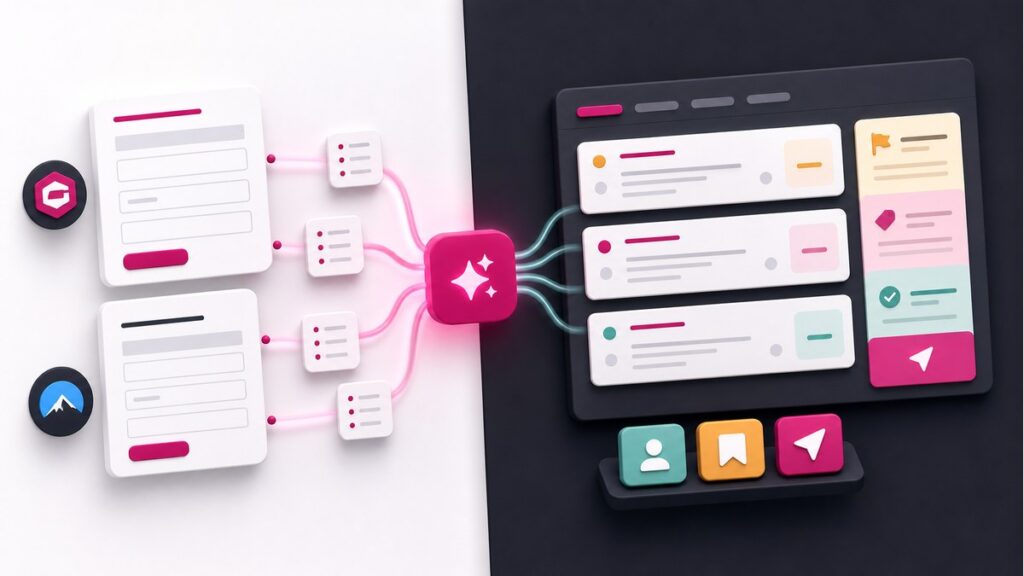
Form builders expose different confirmation options. Gravity Forms documents text, page, and redirect confirmations. WPForms documents message, page, and URL confirmation types. Use the official instructions for the installed builder, but judge the final result on the public page.
- Submit the form with a normal valid entry.
- Confirm the success message is visible without hunting or scrolling past it.
- Read the message on desktop and mobile.
- Follow every link and call every listed number.
- Verify the stored submission, notification, owner, and internal review path.
- Test an error state so staff do not mistake a failed submission for success.
The pre-rollout testing guide covers the rest of the real visitor path. Keep the confirmation in the test record; it is part of the promise you are releasing.
Review confirmation copy when the workflow changes
Recheck the message when the owner, response window, notification, form fields, service hours, or internal automation changes. A confirmation can become stale even when the form still submits perfectly.
Install Sentient Forms from WordPress.org and test one after-submission action on a low-risk form. Keep the visitor confirmation factual while the action helps your team handle what comes next.
Frequently asked questions
Confirm that the site received the submission, name the next human or operational step, give a response window the team can meet, provide a monitored urgent route when relevant, and explain what to do if no response arrives.
Usually it does not need to. The visitor needs to know whether the site received the form and what happens next. Mention AI only when law or context requires disclosure, the wording helps the visitor, and the workflow does not imply an automated decision it cannot make.
No. The on-page confirmation appears after submission in the browser. A confirmation email is a separate notification. Mail systems may delay or filter it, and the site may not send one at all. Do not promise an email receipt unless the workflow sends and tests one.